
We use cookies and measurement tools from Google to measure our ads and improve this site. By continuing to browse, you agree. You can change this anytime. Privacy Policy
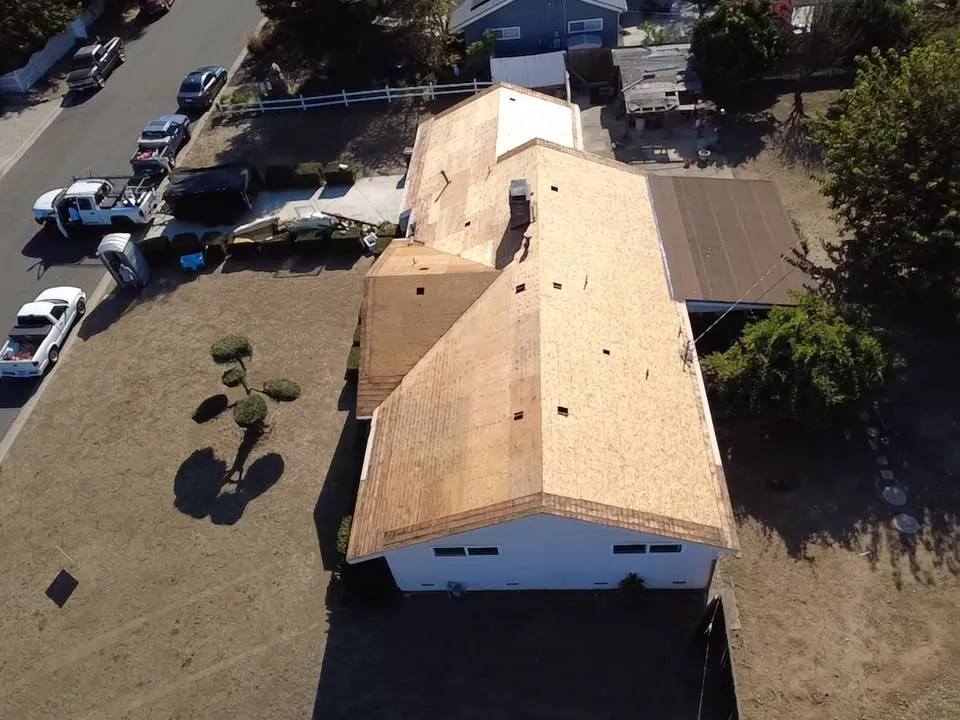
Yes: in the City of Los Angeles a roof replacement needs a roofing permit from the Department of Building and Safety (LADBS), and the licensed roofing contractor normally pulls it and books the inspections. Smaller roof jobs can need one too. Other cities in LA County, such as Pasadena, Santa Monica and Torrance, run their own permit offices.
The permit is a short step for a standard re-roof: LADBS issues it as an express permit, with no plan review, online or by appointment at its counters. What it brings with it matters more: inspections, the cool-roof rule, fire-rated roofing in hazard zones, and a record of the work that stays with the house.
Planning a re-roof and not sure what the permit involves? Ask AA California Roofing through our contact page. One of our Google reviewers credits Amit with taking care of the permit quickly.
The starting point is state law. As the state contractors board (CSLB) summarizes the California Building Standards Code, no building may be erected, altered, repaired, improved or demolished unless a permit has first been obtained from the building official. Each city applies that rule through its own building department, and in the City of Los Angeles that is LADBS.
LADBS lists the roof jobs it issues as express permits (no plan check) in Information Bulletin P/GI 2026-003, effective January 1, 2026. The roof items on that list are:
| Roof job | LADBS permit route | Conditions in the bulletin |
|---|---|---|
| Re-roof over the existing solid sheathing | Express permit | Class A or B roofing weighing less than 6 pounds per square foot; size stated in squares |
| Re-roof over new solid sheathing | Express permit | Same conditions as above |
| Remove tiles, install new underlayment, reset the tiles | Express permit | Cool-roof compliance not required |
| Apply an approved coating to an existing roof | Express permit | None beyond an approved coating |
| Replace damaged framing members in a house or duplex | Express permit | Less than 10% of the building’s replacement cost; decks excluded |
| Heavier roofing, structural changes, larger repairs | Not on the express list | Goes through plan check before a permit is issued |
Two things follow from that list. A full re-roof is never a no-permit job in the city, and neither is a tile reset or a roof coating, even though homeowners often think of those as repairs. For a small patch, such as a few shingles or one flashing, ask LADBS before the work starts (311, or (213) 473-3231 from outside the Los Angeles area); our roof repair crews can tell you which kind of job you have.
LADBS calls the permit and its inspections important documentation when you sell or refinance. LA County Public Works lists what unpermitted work can lead to: lower resale value, the cost of permitting or tearing out the work later, denied insurance claims and possible prosecution. A roofer who suggests skipping the permit is offering you all of those risks.
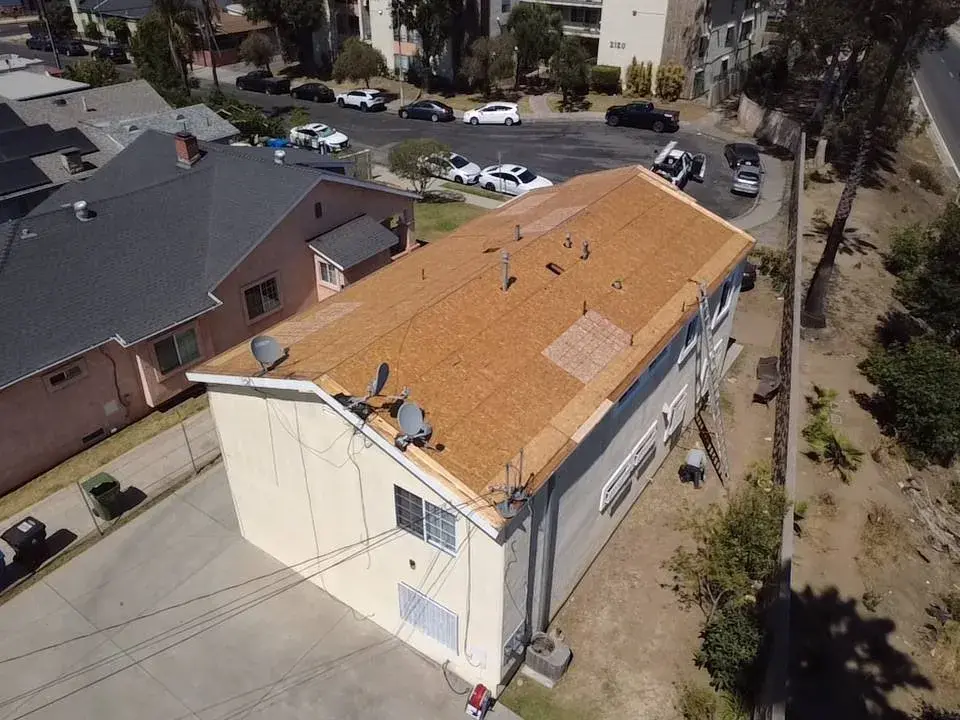
On a contracted job, the licensed roofing contractor normally applies for the permit and answers for the inspections. CSLB advises that the written contract state who gets the building permits, so this should never be left to a phone call. LA County’s rule for its own permits says the same in plain terms: a permit goes to a contractor with the right license, to the property owner in certain cases, or to an agent for one of them.
A homeowner can pull the permit as an owner-builder, but that comes with conditions. Under Business and Professions Code Section 7044, an owner-builder must do the work personally or with their own employees, or contract directly with licensed trades, and the exemption has limits on selling the property afterward. CSLB warns about “consultants” or unlicensed people who talk homeowners into becoming owner-builders to save money, because they are usually the ones who profit.
The difference shows at the end of the job. LADBS’s re-roofing certificate of compliance is signed by the licensed contractor, or by the owner-builder if no contractor did the work. Whoever signs it is the one answering for the roof.
AA California Roofing holds CSLB License #1147688 with the C-39 Roofing classification; the CSLB record showed it current and active when we checked on October 3, 2026.
LADBS inspects permitted work in sequence, and work may not continue past each point until the inspector approves it. Its inspection page lists roof nailing among the common items, and every permit ends with a final inspection. The rule that matters most on a roof: call for inspection before any work is covered.
Inspections are requested online or through 311. If an inspector has to come back, LADBS charges an extra inspection trip fee. After the final, the permit history is searchable in LADBS’s online building records (PRISM), a record that helps when you sell or refinance.
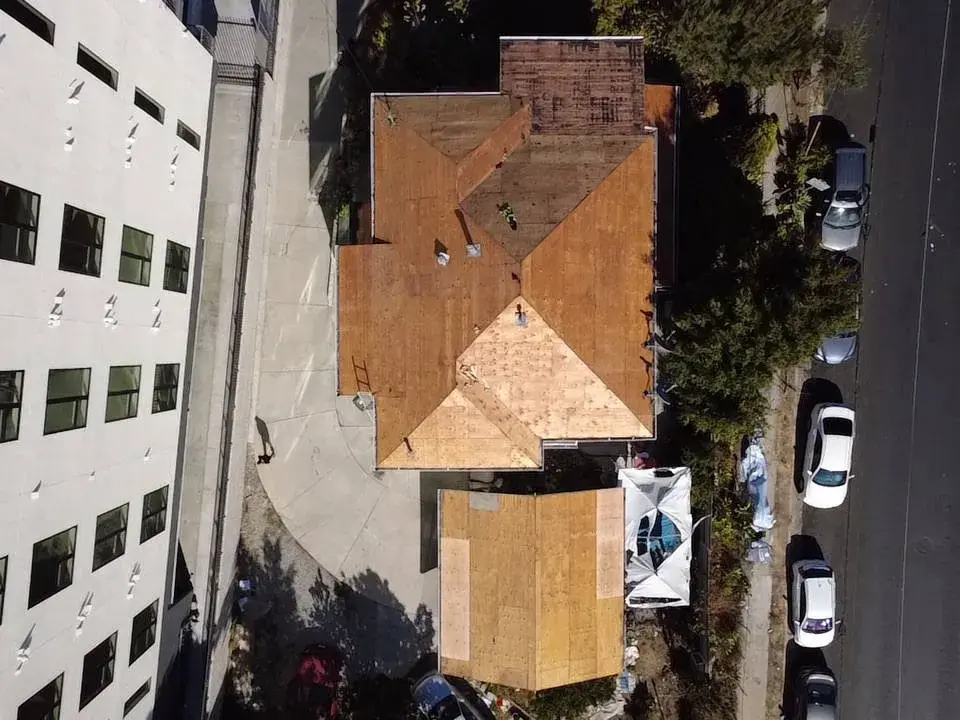
The same LADBS bulletin carries the cool-roof rule for houses: when more than 50% of the total roof area of a residential building is replaced, the new roofing must be a cool roof product labeled and certified by the Cool Roof Rating Council (CRRC). For non-residential buildings, a cool roof may be required under the state Energy Code (Title 24, Part 6, Section 141.0(b)2B). Permit applications filed on or after January 1, 2026 fall under the 2025 Energy Code.
In practice, compliance is a product question. Your roofer chooses a CRRC-rated product that meets the required values, and the product’s CRRC label or product ID is the evidence. Keep the invoice with that ID and the final approved permit: LADWP asks for both if you apply for its cool roof rebate. The ratings, climate zones and exceptions are in our guide to cool roof requirements.
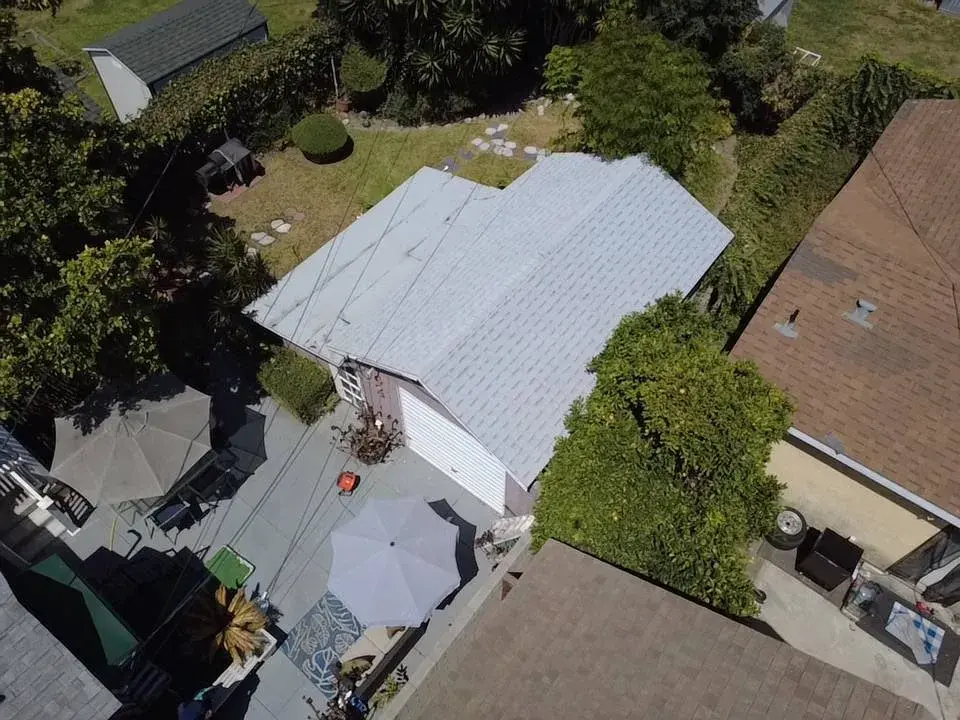
The LADBS express re-roof permit allows Class A or Class B roofing, and requires Class A inside a Very High Fire Hazard Severity Zone. State law adds a timing rule in those zones: under Health and Safety Code Section 13132.7, when more than 50 percent of a roof is replaced within any one-year period, the entire roof covering has to meet the required fire class. Splitting a re-roof into two halves a few months apart does not avoid it.
If your home may be in a fire hazard severity zone, confirm the zone before you choose a material, because it rules some products out and affects the price. Our roof replacement cost guide explains how code items like this show up on an estimate.
A Los Angeles mailing address does not always mean the City of Los Angeles. Many cities in the county run their own building departments, and unincorporated areas are handled by the county.
The cool-roof rule also differs by city. The City of Los Angeles applies its own Green Building Code on top of Title 24, while other cities apply Title 24 and may add rules of their own. We work across Los Angeles County and nearby Ventura County cities, so the first permit question on any job is which office serves the address.
Ready to plan the work? Request a free estimate on a roof replacement or repair through our contact page. More homeowner answers are in our roofing guides.